Gold entered the second quarter battered but far from broken. After suffering its steepest monthly decline since the 2008 financial crisis, the metal is attempting to reassert itself as the defining asset of a global economy caught between military conflict, trade war, and the early tremors of stagflation.
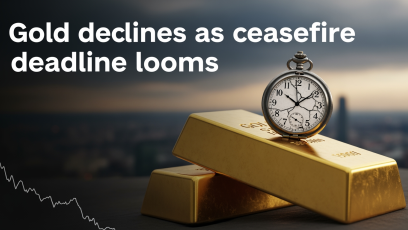

Gold prices plummeted nearly 4% to $4,600 per ounce on Thursday, snapping a four-day winning streak, as the US dollar and oil prices surged following President Donald Trump’s vow to intensify attacks on Iran.

Gold extends four-session winning streak; silver steadies above $75 as dollar retreats

The balance of power between the world's two dominant safe-haven asset classes is shifting once again — and this time, the reversal is as dramatic as it is swift.

Gold futures closed Monday at $4,540 per ounce, adding $50 — or 1.14% — on the session, capping a strong five-day run that has seen prices appreciate by 2.84%, or roughly $125, since last Tuesday.

Precious metals regain footing Friday, but geopolitical uncertainty keeps broader risk appetite suppressed

Gold suffered one of its sharpest single-session losses of the year on Wednesday, shedding $175 per ounce — a decline of 3.87% — as gold futures settled at $4,375.

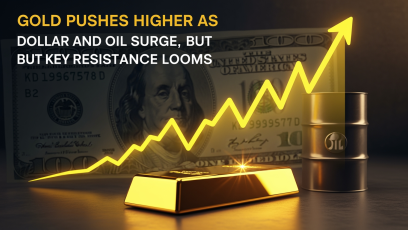
For the first time in weeks both gold and crude oil are up on the day, surprisingly so is the US dollar index. Gold is trading $32 or 0.73% higher today at $4,506 while crude oil is up by $2.92 or 3.30% at $91.30 and the US dollar index is higher as well up 0.42% at approximately 5:34 PM EST. 

Precious metals surge in final hour of trading after suffering worst weekly performance in over four decades.

Before President Trump's message about "good and productive conversations with Iran" sent markets rebounding Monday, traders had opened the week in a decidedly risk-off posture — and gold, usually a reliable safe haven in times of geopolitical stress, was telling a confusing story.